Darknet Markets 2026:
The dark web is part of the deep web but is built on darknets: overlay networks that sit on the internet but which can't be accessed without special tools or software like Tor. Tor is an anonymizing software tool that stands for The Onion Router — you can use the Tor network via Tor Browser.
| Darknet Market | Established | Total Listings | Link |
|---|---|---|---|
| TorZon Market | 2022 | 140+ | Onion Link |
| Nexus Market | 2024 | 600+ | Onion Link |
| Abacus Market | 2022 | 100+ | Onion Link |
| Ares | 2026 | 100+ | Onion Link |
| Cocorico | 2023 | 110+ | Onion Link |
Updated 2026-07-28
How Darknets Make Online Shopping Private and Easy
Darknet markets operate as hidden services on encrypted networks like Tor, accessible only through specific software that conceals a user's location and identity. This architecture provides a foundational layer of privacy, separating transactional activity from a person's public internet footprint. The primary mechanism for this is the .onion address, a cryptographically generated URL that routes traffic through multiple relays, making the physical server hosting the market extremely difficult to locate or shut down.
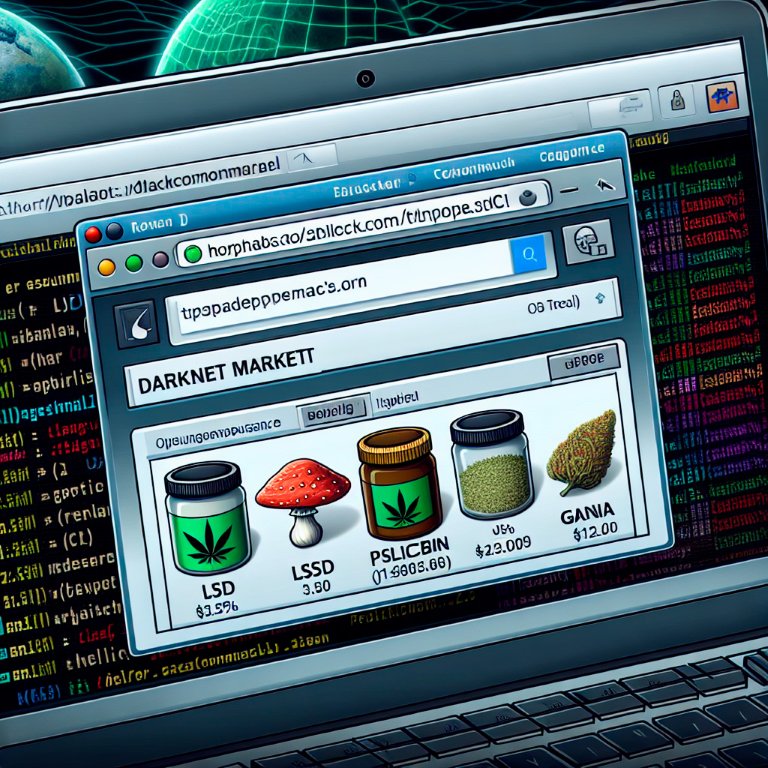
The design of these sites mirrors that of mainstream e-commerce platforms, featuring product catalogs, shopping carts, and vendor storefronts. This familiar interface lowers the barrier to entry, facilitating commerce in a structured environment. The resilience of the hidden service protocol means that if one gateway is compromised, a new .onion address can be generated, allowing the market to reconstitute its presence with minimal disruption to its user base and economic activity.
How Cryptocurrency Makes Darknet Shopping Safe and Private
The foundational mechanism for private commerce on darknet markets is the use of cryptocurrencies, primarily Bitcoin and Monero. These digital currencies enable transactions that are pseudonymous by design, separating financial activity from real-world identities. This creates a layer of privacy for both buyer and seller that traditional banking cannot offer. The blockchain records the transaction, but it does not inherently link the wallet address to a person's name or physical address, making it a practical tool for confidential trade.
This financial privacy is then operationalized through the market's escrow system. When a purchase is made, the buyer's cryptocurrency is held in escrow by the market platform itself, not released to the seller until the buyer confirms satisfactory receipt of the goods. This structure directly mitigates the fundamental risk of remote, anonymous trade by ensuring that sellers are incentivized to deliver the product as advertised. The escrow acts as a trusted third party, enforcing a basic contract and providing a clear dispute resolution pathway if the product is not delivered or is substandard.
The effectiveness of this entire system is validated and refined by the user review system. After a transaction, buyers leave detailed feedback on product quality, shipping speed, and stealth of packaging. This creates a transparent reputation score for each vendor. A seller with consistently high ratings and positive reviews demonstrates reliability, which directly influences their future sales. This peer-driven accountability elevates the overall market quality, as vendors must maintain high standards to remain competitive. The combination of escrow and reviews transforms an anonymous space into a self-regulating marketplace where trust is built and verified through repeated, documented interactions.
How Escrow Makes Darnet Drug Trade Safe for Everyone
Escrow services are a fundamental component of darknet markets, directly addressing the inherent trust deficit in anonymous online commerce. The system functions as a neutral third party holding a buyer's cryptocurrency payment until the ordered goods are received and confirmed. This mechanism protects both parties: the buyer is assured they will not lose funds to a fraudulent vendor, while the vendor is guaranteed payment upon proof of delivery, mitigating the risk of fraudulent chargebacks common in traditional e-commerce.
The process is typically automated by the market's software. When an order is placed, funds are locked in escrow and become unavailable to the vendor. Only after the buyer finalizes the order, often automatically after a set period if no dispute is raised, are the funds released. This creates a secure environment for transaction completion. For disputes, most platforms offer a moderated resolution system where market administrators review communication and evidence before adjudicating the release of escrowed funds.
The effectiveness of escrow is amplified by its integration with user review systems. A vendor's history of successful escrow releases builds a verifiable reputation. Buyers can see that past transactions have been completed satisfactorily, which reduces perceived risk and encourages market participation. This combination of technological escrow and community-driven feedback forms a robust framework for secure trade, enabling economic activity that would otherwise be too risky to conduct on an anonymous network.

How Reviews Make Darnet Markets Safer and Better
User reviews function as the primary reputation system on darknet markets, directly replacing the legal guarantees and public branding available in conventional commerce. This feedback mechanism creates a self-regulating environment where vendor accountability is enforced by the community. A seller with consistently positive reviews for product purity, accurate weight, and discreet packaging builds a valuable reputation, which translates into higher sales and the ability to command premium prices.
The structure of the review process is critical. Markets typically require a finalized sale before a review can be posted, preventing fake feedback. Reviews are often detailed, including:
- Photographic proof of the received product
- Lab test results confirming chemical composition
- Notes on shipping speed and stealth techniques
- Descriptions of communication quality with the vendor
This detailed, crowd-sourced information allows buyers to make informed decisions, significantly reducing the risk of fraud or receiving substandard products. The system creates a powerful incentive for vendors to maintain high standards, as a series of negative reviews can severely damage their standing and profitability. Consequently, the review ecosystem naturally promotes market quality and filters out unreliable actors, fostering a stable trading environment based on demonstrated performance rather than anonymous claims.
How Encryption Makes Shopping on the Darknet Private and Safe
Encryption is the fundamental technology that enables private shopping on darknet markets. It functions as a secure layer that separates a user's identity from their commercial activity. This process begins with the Tor network, which encrypts internet traffic multiple times and routes it through a series of volunteer relays. This makes it extremely difficult to trace the connection back to the original user, effectively anonymizing their location and network identity.
Beyond connection anonymity, encryption protects all communications. When a buyer and seller exchange messages, or when a buyer submits a delivery address, this data is secured using PGP (Pretty Good Privacy) encryption. PGP uses a pair of keys: a public key to encrypt the message and a private key held only by the recipient to decrypt it. This ensures that even if message data is intercepted, it remains an unreadable string of characters to anyone except the intended party. The integrity of the escrow system also relies on this. Financial details and dispute communications are encrypted, ensuring that the mediator only sees the necessary information to resolve a transaction fairly without compromising user identities.
The combination of these encryption methods creates a robust environment for safe commerce. User reviews and vendor reputations can be built and assessed without fear of direct exposure, as the encryption protocols maintain a persistent veil of anonymity. This technical foundation is what allows for the establishment of trust and the consistent economic activity observed on these platforms, as participants can engage with a significantly reduced risk of personal identification.
How Secure Trading Keeps the Darknet Online
The operational resilience of darknet markets is fundamentally tied to their architecture, which prioritizes user security and transactional integrity. This creates a self-reinforcing system where safety mechanisms directly contribute to platform stability and longevity.
At the core of this ecosystem is the escrow service. Acting as a neutral third party, it holds the buyer's cryptocurrency until the product is received and confirmed. This system removes the significant risk of direct, unsecured payments, making commerce feasible between anonymous strangers. It ensures sellers are paid for delivered goods and buyers are protected from fraud, establishing a basic framework for reliable trade.
This framework is further validated by the user review system. After a transaction, buyers leave detailed feedback on product quality, shipping speed, and stealth. These reviews accumulate into a public reputation score for each vendor. A seller with hundreds of positive reviews is demonstrably reliable, while a new seller must prove their trustworthiness. This transparent, crowd-sourced accountability elevates the overall market quality, as vendors compete on service and product standards to maintain their reputation.
The combination of escrow and reviews fosters a high-trust environment. Buyers feel confident spending funds, knowing their payment is protected and they can assess a vendor's history. Vendors are incentivized to act honestly to build their business. This cycle of secure transactions and verified reputation generates consistent economic activity, which is the primary force that keeps these markets online and financially viable. The network persists because it successfully solves the fundamental problems of trust in anonymous digital commerce.
How Escrow and Reviews Build a Thriving Darknet Economy
The substantial economic activity on darknet markets is fundamentally enabled by their transactional frameworks, which are designed to mitigate risk and build trust between anonymous parties. Two primary mechanisms facilitate this: the escrow system and user review platforms. These features directly address the core challenges of illegal e-commerce, creating a surprisingly stable environment for commerce.
Escrow services act as a neutral third party in a transaction. A buyer sends cryptocurrency to an escrow account, which holds the funds until the product is received and confirmed. Only then is the payment released to the seller. This system protects the buyer from fraudulent sellers who might not ship products, while also assuring the seller that payment is secured before shipment. It effectively removes the significant risk of direct, unsecured transactions between strangers.
Concurrently, user reviews create a system of collective accountability. Buyers publicly rate sellers and products based on:
- Product quality and accuracy
- Shipping speed and stealth
- Communication reliability
This transparent feedback loop allows reputable vendors to build a strong digital reputation, which becomes their most valuable asset. Sellers with consistently positive reviews attract more business, while those with poor feedback or scam allegations are quickly marginalized. The review system empowers the community to self-regulate quality and enforce standards, reducing the need for external arbitration.
The combination of financial security through escrow and quality assurance through reviews lowers the barrier to entry for participants. It transforms the darknet from a purely speculative space into a functional marketplace with predictable outcomes. This institutional trust, built from the bottom up by users, is a primary driver behind the multi-billion dollar scale of darknet commerce, as it allows for repeat business and economic scaling that would be impossible in a purely anarchic environment.

How Escrow and Reviews Build Trust in Darknet Trade
The resilience of darknet markets is fundamentally tied to their ability to create a trusted environment for commerce, which is achieved through two primary mechanisms: the escrow system and user reviews. These features directly address the inherent risks of anonymous online trade, fostering a self-regulating ecosystem that persists despite external pressures.
An escrow service acts as a neutral third party in a transaction. The buyer sends cryptocurrency to the escrow, which holds the funds until the product is received and confirmed. Only then is the payment released to the seller. This system effectively eliminates the risk of fraud for the buyer, who no longer needs to trust a stranger with prepayment, while also protecting honest sellers from chargebacks. The automation of this process via smart contracts or trusted market moderators makes it a core, non-negotiable feature that establishes a baseline of security.
Complementing escrow, the review and rating system provides a dynamic layer of quality control and accountability. Buyers publicly detail their experiences with product purity, shipping speed, and seller communication. This creates a transparent reputation for each vendor, where consistently positive reviews lead to higher visibility and sales, while negative feedback serves as a powerful deterrent against poor service or scams. The collective intelligence of the user base continuously audits the market, identifying reliable operators and marginalizing bad actors.
The synergy between these systems is what grants darknet platforms their persistent nature. They engineer trust through technology and community feedback, reducing transaction costs and risks to a level where efficient, large-scale commerce can occur anonymously. This internal economic stability, driven by secured payments and crowdsourced verification, creates a robust model that can adapt and re-emerge even when individual marketplaces are compromised.