Darknet Markets 2026:
The dark web is part of the deep web but is built on darknets: overlay networks that sit on the internet but which can't be accessed without special tools or software like Tor. Tor is an anonymizing software tool that stands for The Onion Router — you can use the Tor network via Tor Browser.
| Darknet Market | Established | Total Listings | Link |
|---|---|---|---|
| TorZon Market | 2022 | 140+ | Onion Link |
| Nexus Market | 2024 | 600+ | Onion Link |
| Abacus Market | 2022 | 100+ | Onion Link |
| Ares | 2026 | 100+ | Onion Link |
| Cocorico | 2023 | 110+ | Onion Link |
Updated 2026-07-28
How Encryption and Decentralized Hosting Make Darnet Drug Trade Safer
The operational foundation of the 2025 darknet marketplace is a significant evolution in secure architecture. Unlike earlier centralized platforms vulnerable to single-point takedowns, the current model utilizes decentralized hosting. This means the marketplace's infrastructure is distributed across a global network of nodes, making it exceptionally resistant to seizure or forced shutdown. Data is not stored on a single server but is fragmented and replicated, ensuring persistent availability.
This distributed approach is complemented by mandatory end-to-end encryption for all communications. Every message between buyer and vendor, including order details and shipping information, is encrypted on the sender's device and can only be decrypted by the intended recipient. This eliminates the risk of interception by third parties, as the marketplace servers themselves never have access to the unencrypted content. The combination of these technologies creates a resilient environment where trade can proceed with a high degree of confidentiality and operational security. The technical barrier to entry for unauthorized surveillance is substantially raised, fostering a more stable and reliable trading ecosystem for all participants.
How Multi-Signature Escrow Makes Buying Drugs Safer
The evolution of transaction security on darknet markets is directly linked to the adoption of multi-signature escrow protocols. This method represents a fundamental shift from the older, riskier model where funds were held by a single market escrow, which was a frequent target for exit scams. In a multi-signature setup, the buyer's cryptocurrency payment is locked in a smart contract or a similar secured wallet that requires more than one private key to release the funds.
Typically, three keys are generated: one for the buyer, one for the vendor, and one for the market. To complete a transaction, two of the three signatures are needed. This creates a balanced and automated system of checks. When a buyer places an order and sends funds, the vendor can see the payment is secured but cannot access it unilaterally. Only after the buyer receives the product and is satisfied do they provide their signature to release the funds to the vendor, combining it with the vendor's signature.
If a dispute arises, the market can use its administrative key to intervene, reviewing communication and evidence before deciding to side with either party to release the funds. This structure effectively minimizes fraud for both participants. It eliminates the risk of vendors not shipping after payment and protects vendors from fraudulent "item not received" claims, as the buyer cannot get a refund without market arbitration. The technical implementation ensures that no single entity, not even the marketplace itself, has sole control over the assets, distributing trust and significantly raising the security floor for all transactions. This makes the drug trade more predictable and reduces financial losses, fostering a more stable commercial environment.
How Darknet Markets Use Automated Systems to Settle Disputes Fairly
The evolution of darknet marketplaces has directly addressed the historical vulnerability of buyer-seller disagreements. Modern platforms now integrate automated, algorithm-driven dispute resolution systems that function without requiring human moderators, who can be biased or corruptible. These systems operate on a predefined set of rules and evidence requirements uploaded by both parties.
When a dispute is initiated, the platform's software analyzes the provided evidence, such as cryptographic proof of shipment or product authenticity photos, against the transaction's smart contract terms. The decision is then executed automatically, with funds from the multi-signature escrow being released to the rightful party. This process removes emotional bias and significantly reduces resolution time from days to hours.
The fairness of the system is reinforced by its transparency to the user community. Key operational parameters include:
- All dispute rules and acceptable evidence types are publicly documented before any transaction occurs.
- The algorithmic logic weighs evidence types hierarchically, prioritizing cryptographic proof over text-based claims.
- Every resolved case contributes anonymized data to further refine the system's decision-making accuracy, creating a self-improving mechanism.
This automation establishes a more reliable and predictable trading environment. Participants engage with greater confidence, knowing that contractual obligations are enforced by impartial code rather than variable human judgment, which directly enhances the platform's stability and trustworthiness for conducting trade.
Clear Vendor Scores for Safer Shopping
The evolution of vendor reputation systems on the darknet represents a fundamental shift towards market-driven quality control and consumer safety. Unlike early platforms where feedback was simplistic and easily manipulated, the 2025 marketplace employs a multi-dimensional rating algorithm. This system aggregates data from transaction completion speed, communication quality, packaging stealth, and product purity as verified by independent testing services. Each vendor profile displays a composite trust score, which is dynamically updated and resistant to fraudulent inflation through sybil attacks.
Historical performance is transparently logged, creating an immutable record of a vendor's market activity. Buyers can filter reviews based on the number of prior transactions a reviewer has completed, giving more weight to experienced participants. The platform mandates standardized listing formats that include:
- Batch-specific chemical analysis reports from designated testing channels
- Geographic shipping success rates
- Average dispatch and delivery timelines
This granularity allows for informed purchasing decisions, directly linking a vendor's commercial success to their operational reliability and product consistency. The reputation mechanism functions as a decentralized form of regulation, where sustained high performance is rewarded with increased visibility and sales volume, while poor performance results in automatic de-ranking.
How Obfuscation Makes Drug Shopping Safer
The 2025 darknet marketplace integrates sophisticated cryptocurrency obfuscation techniques as a standard feature, directly addressing the primary financial concern of its users. This system moves beyond basic pseudo-anonymous wallets by employing confidential transactions and coin mixing protocols at the network level. These protocols break the transparent transaction trail on the blockchain, making it exceptionally difficult to link a market purchase to a specific cryptocurrency deposit or withdrawal from a mainstream exchange.
This advancement provides a practical solution for secure drug trade, as it severs the analytical link between fund movement and marketplace activity. The obfuscation is automated and built into the market's payment processor, requiring no technical knowledge from the buyer or vendor. For the user, the process is seamless: they send funds from their wallet, and the system handles the privacy-enhancing steps before the vendor receives confirmation of a clean, untraceable payment. This creates a financial environment where shopping is safer because the monetary aspect is effectively separated from the transaction's metadata.
The implementation relies on several coordinated methods:
- Mandatory use of privacy-centric cryptocurrencies like Monero (XMR) or Zcash (ZEC), which have encryption built into their protocol.
- Integrated CoinJoin implementations for Bitcoin, which merge multiple payments from different users into a single transaction to obscure the flow of funds.
- Market-operated, decentralized mixers that utilize a time-delay and chunking mechanism before releasing funds to the final vendor escrow.
These features collectively establish a robust layer of financial privacy. The result is a marketplace where better shopping is defined not only by product selection but by a fundamentally reduced risk profile for every financial interaction, allowing users to conduct transactions with significantly greater confidence in their personal security.

Better Quality and More Choices with Clear Purity Info on the Darknet
The expansion of available products on the 2025 darknet is significant, moving beyond simple variety to a more standardized and reliable catalog. This evolution addresses a historical issue in unregulated markets: the inconsistency of product quality and the risks posed by adulterants. Modern platforms now enforce vendor-submitted lab testing results for psychoactive substances, which are cryptographically linked to the product listing to prevent forgery.
These standardized purity information sheets present data in a consistent format, allowing for direct comparison between vendors. A buyer can review percentages of active compounds, identify cutting agents, and verify the absence of harmful contaminants. This system creates a transparent feedback loop where vendors with consistently high-purity products and accurate labeling achieve better reputation scores and higher sales. Consequently, the market incentivizes quality and safety, reducing consumer risk. The product range itself has diversified, now including not only traditional substances but also pharmaceutical-grade medications and research chemicals with detailed pharmacological profiles, all accompanied by the same rigorous purity documentation.
Easy-to-Use Darknet Shopping for Drugs
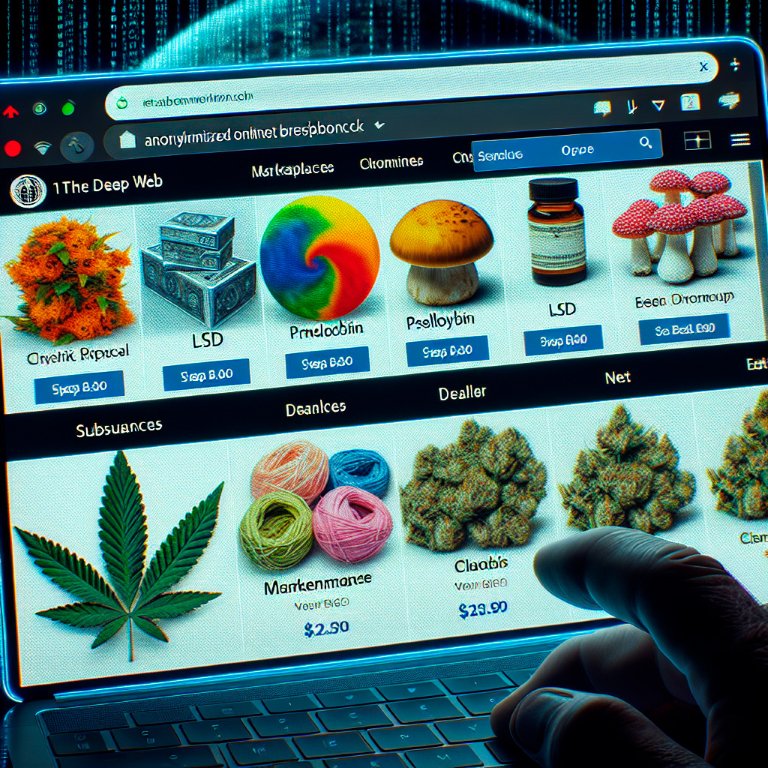
The evolution of darknet market interfaces by 2025 directly addresses historical barriers to entry, transforming the platform into a streamlined retail environment. Earlier platforms often required significant technical knowledge, but current designs prioritize intuitive navigation. Users encounter a familiar grid-based product layout, advanced filtering options for strain, quantity, or vendor location, and a secure, integrated cart system. This standardization reduces operational friction and allows buyers to focus on product selection and vendor reputation metrics rather than navigating complex software.
This focus on usability extends to the entire transaction lifecycle. The checkout process is consolidated into a clear, step-by-step procedure integrating multi-signature escrow and encrypted communication as default, seamless components. Automated systems for order tracking and dispute initiation are accessible from a unified dashboard, providing continuous transparency. The design philosophy eliminates superfluous complexity, creating an efficient procurement channel where safety features are embedded within the user workflow rather than added as external obstacles.
The cumulative effect of these interface improvements is a more reliable and scalable commercial ecosystem. By lowering the technical proficiency required for secure participation, the market expands its potential user base. This accessibility, combined with standardized product information and automated trust mechanisms, fosters a competitive environment where vendor quality and service become the primary differentiators, reinforcing the platform's stability and utility for its user community.