Darknet Markets 2026:
The dark web is part of the deep web but is built on darknets: overlay networks that sit on the internet but which can't be accessed without special tools or software like Tor. Tor is an anonymizing software tool that stands for The Onion Router — you can use the Tor network via Tor Browser.
| Darknet Market | Established | Total Listings | Link |
|---|---|---|---|
| TorZon Market | 2022 | 140+ | Onion Link |
| Nexus Market | 2024 | 600+ | Onion Link |
| Abacus Market | 2022 | 100+ | Onion Link |
| Ares | 2026 | 100+ | Onion Link |
| Cocorico | 2023 | 110+ | Onion Link |
Updated 2026-07-28
How Nexus Makes Darnet Drug Trade Safe and Easy
The operational foundation of the Nexus darknet is a multi-layered security model that integrates cryptographic protocols with structured market mechanics. This framework is engineered to facilitate anonymous commerce by separating user identity from transactional activity. The platform employs end-to-end encryption for all communications, ensuring that message content remains inaccessible to external parties.
Vendor trust is established through a transparent reputation system. Each vendor's profile displays a history of completed transactions and aggregated user feedback. This system creates a self-regulating environment where product quality and service reliability are directly linked to commercial success. New vendors operate under probationary conditions, with escrow protections being mandatory until a proven track record is established.
Transaction privacy is achieved through the mandatory use of cryptocurrencies like Monero or Bitcoin, which obfuscate financial trails on public ledgers. User anonymity is further protected by the platform's requirement for encrypted digital wallets and the absence of any direct personal data collection. The escrow service acts as a neutral third party, holding the buyer's cryptocurrency in reserve until the product is received and confirmed. This mechanism significantly reduces the risk of fraudulent transactions for both parties, as funds are only released upon satisfactory completion of the trade.
The platform's design prioritizes reliable access and uptime through a distributed server infrastructure, often utilizing technologies like Tor hidden services. This architecture mitigates the risk of single-point failures and enhances resistance to external attacks. The community of users and vendors plays a critical role in market operations, with forum discussions and detailed product reviews providing an additional layer of quality assurance and collective security oversight.
How Trust Grows on a Darknet Market
The Nexus darknet platform establishes vendor trust through a transparent and multi-layered system. This system is built on verifiable transaction history and community feedback, creating a reliable environment for commerce.
Each vendor's profile displays a public record of completed orders and overall sales volume. A high transaction count indicates consistent operational capability. The platform's escrow service automatically holds a buyer's cryptocurrency until the product is received and confirmed. This mechanism protects buyers from fraud and incentivizes vendors to fulfill orders reliably to receive payment.
User reviews form a critical feedback loop. After each transaction, buyers can leave detailed ratings and comments on product quality, shipping speed, and communication. These reviews are permanently linked to the vendor's profile. A vendor with a long history of positive feedback naturally accrues higher trust. The system also includes a resolution center for disputed transactions, where moderators can review evidence and release escrow funds fairly.
Vendor trust is further reinforced by platform design. Account creation requires time and resource investment, making malicious or short-term operations less viable. The cumulative effect of these systemspublic metrics, secured payments, and authentic community reviewscreates a self-regulating marketplace where reputable vendors are easily identifiable and can sustainably grow their business based on proven performance.
How Darknet Markets Keep Your Purchases Private
The Nexus platform's architecture prioritizes user privacy as a fundamental operational parameter. This is achieved through a multi-layered approach that begins with the mandatory use of the Tor network. All connections are routed through this anonymizing protocol, which effectively obscures the user's IP address and physical location from the platform and other network participants.
Internally, Nexus employs end-to-end encryption for all communications. This system ensures that messages between a buyer and a vendor are encrypted on the sender's device and can only be decrypted by the intended recipient's device. Not even the platform's administrators can access the content of these private negotiations, which typically include specific delivery addresses. This method provides a significant security advantage over traditional e-commerce or communication platforms where metadata and message content are often stored and analyzable by the service provider.
Financial privacy is maintained through the exclusive use of cryptocurrencies, primarily Monero (XMR) and Bitcoin (BTC). Monero is particularly favored for its enhanced privacy features, as its blockchain obfuscates transaction amounts and the identities of the sender and receiver through ring signatures and stealth addresses. Bitcoin transactions, while pseudonymous on the blockchain, are often mixed or tumbled by users before being sent to the platform's escrow system to break the chain of analysis. The platform's integrated escrow service acts as a trusted third party, holding the cryptocurrency until the buyer confirms satisfactory receipt of the product. This mechanism not only prevents fraud but also adds a layer of financial separation between the trading parties, as the direct cryptocurrency transfer does not occur between buyer and vendor wallets.
For final delivery, the decoupled nature of the transaction is critical. The platform facilitates the agreement and secure payment, but the physical logistics are handled externally. Users protect their operational security by using clean delivery addresses that are not directly linked to their real identities, and by practicing good package handling procedures. This separation of the digital financial layer from the physical fulfillment layer is a core component of the system's overall anonymity.
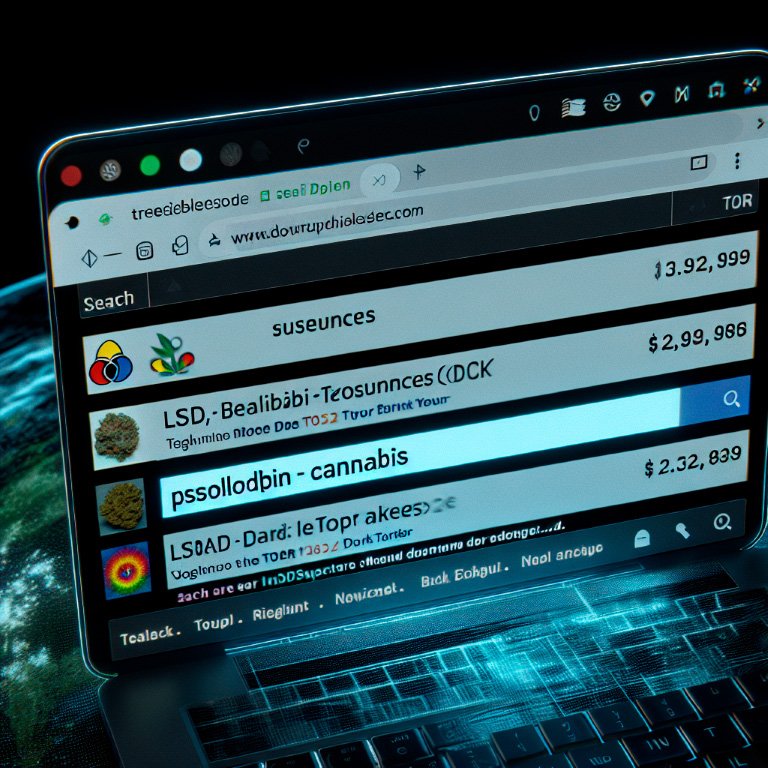
How Cryptocurrency and Escrow Make Darnet Trades Safe and Easy
The Nexus platform integrates cryptocurrency and a managed escrow system as foundational elements for secure transactions. Cryptocurrencies like Monero and Bitcoin are the standard payment methods. Their decentralized nature and cryptographic protocols provide a layer of financial privacy that traditional banking cannot offer. This allows for direct peer-to-peer value transfer without intermediaries, aligning with the operational requirements of a darknet marketplace.
Transactions are structured to protect both the buyer and the vendor. When an order is placed, the buyer's cryptocurrency funds are held in a secure, platform-managed escrow wallet. This mechanism ensures the vendor does not receive payment until the buyer confirms satisfactory receipt of the product. The system mitigates the risk of fraud by preventing vendors from accepting payment without delivery and protecting vendors from chargebacks after a product is shipped.
The escrow process is automated and transparent to the involved parties. Funds are only released from escrow under one of two conditions:
- The buyer finalizes the order, signaling successful completion.
- A dispute is raised and resolved through the platform's moderation system, which can rule to release funds to the vendor, return them to the buyer, or split them accordingly.
This financial framework reduces uncertainty and builds trust. It enables commerce by providing a neutral, automated third-party function that validates each transaction's completion. The combination of anonymous cryptocurrency and secured escrow creates a reliable environment for trade, where agreements are enforced by the platform's code and protocols rather than personal trust alone.
How User Reviews Build Trust and Quality on the Darknet
The user review system on Nexus is the primary mechanism for establishing product quality assurance. Every transaction concludes with a mandatory, detailed feedback period where buyers rate the vendor on specific criteria. These criteria include product purity, accurate weight, stealth in packaging, and communication speed. This structured feedback transforms subjective experience into quantifiable data, creating a transparent reputation score for each vendor.
A vendor's reputation directly influences their visibility and trust level on the platform. High scores and consistent positive reviews lead to a higher vendor trust level, which is displayed prominently on their store page. This system incentivizes vendors to maintain high standards. The feedback is immutable and linked directly to a completed escrow transaction, preventing fake reviews. For buyers, this archive of historical reviews provides a reliable dataset for making informed purchasing decisions, effectively crowd-sourcing quality control.
The platform complements this with a dispute resolution process mediated by moderators. If a product does not match its description, the buyer can open a dispute, providing evidence. The escrow service holds the cryptocurrency until resolution, protecting the buyer's funds. This financial safeguard, combined with the public review history, creates a self-regulating ecosystem where reliable vendors thrive through demonstrated performance, while substandard actors are quickly identified and avoided by the community.

How a Stable Platform Makes Darknet Trade Smooth
The operational foundation of a darknet market is its technical resilience. The Nexus platform employs a distributed server infrastructure to mitigate the risk of a single point of failure. This design ensures that if one node is compromised or fails, others can seamlessly handle the traffic, maintaining consistent uptime and user access. The implementation of load balancing further distributes network requests efficiently, preventing server overload during peak trading periods and providing a smooth user experience.
Access reliability is achieved through the use of exclusive, vetted Tor hidden services. These private .onion addresses are not publicly listed in standard directories, which reduces exposure to automated scanning and denial-of-service attacks from external actors. The platform's codebase is regularly updated to patch vulnerabilities, and its connection protocols are designed to be robust against common network disruptions inherent to the Tor network.
This architectural approach directly supports the market's core functions:
- It guarantees vendors a stable storefront, crucial for maintaining reputation and fulfilling orders.
- It provides buyers with dependable access to product listings and communication channels.
- It secures the escrow service's continuous operation, which is essential for holding funds until successful delivery.
How User Communities Make Darknet Markets Safer
The operational integrity of the Nexus darknet platform is fundamentally a community-driven mechanism. User forums and feedback systems create a transparent environment where vendor reputation is publicly documented and scrutinized. This collective vigilance directly reinforces market safety, as consistent negative reviews or reports of scams lead to a vendor's marginalization and loss of business.
The community also functions as a decentralized quality assurance network. Detailed user reviews and discussions about product purity, shipping reliability, and communication effectiveness provide prospective buyers with critical, peer-verified data. This system reduces information asymmetry and empowers informed purchasing decisions.
Furthermore, the community contributes to platform stability and evolution. Active user participation in forum discussions helps identify potential security flaws or usability issues, which administrators can then address. This collaborative relationship between users and platform operators fosters a resilient ecosystem where anonymous shopping is supported by mutual accountability and shared standards for reliable trade.